
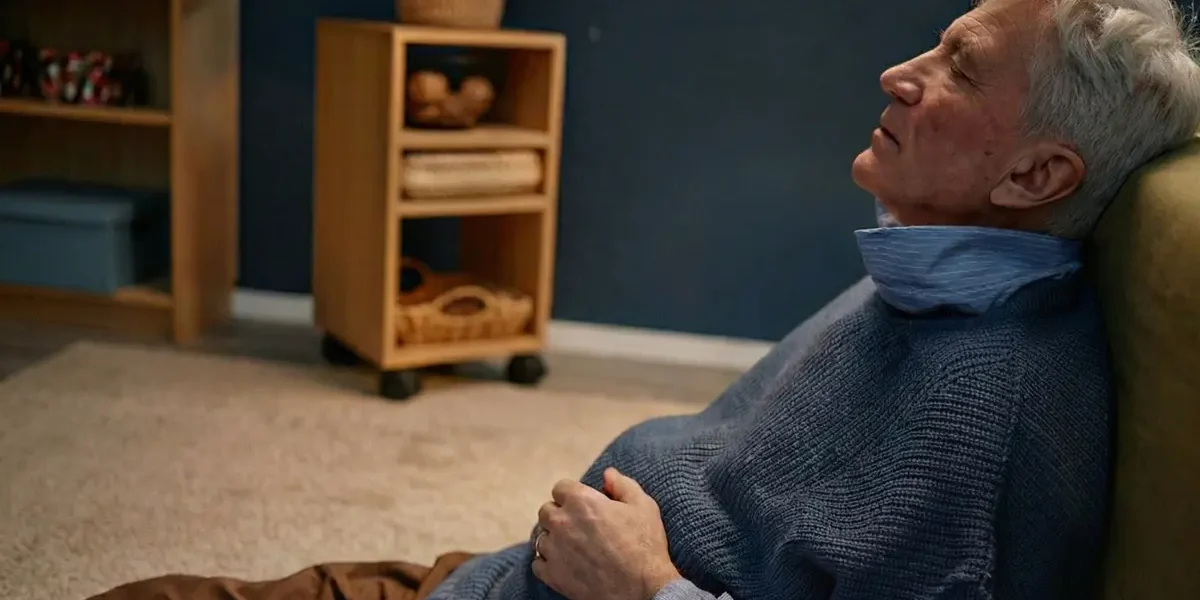
When assisted living is not enough, the signs often show up slowly, such as missed medications, increased confusion, wandering, or changes in behavior. What once felt manageable can begin to feel uncertain. Knowing what comes next and what the next level of care after assisted living entails can help families make thoughtful decisions rather than rushed ones.
At Encore Assisted Living and Memory Care at Hugo in Hugo, MN, families have access to assisted living, memory care, and respite care on one campus. That means when needs change, care can adjust without starting over somewhere new.
Signs Assisted Living May No Longer Be Enough
Assisted living supports daily routines such as meals, medication reminders, dressing, and personal care. But cognitive changes can require a different level of structure.
You may notice:
- Increased confusion about time or place
- Wandering or attempts to leave the building
- Trouble recognizing familiar people
- Greater difficulty managing medications
- Mood or behavior changes
- More frequent falls
According to the Alzheimer’s Association, more than 7 million Americans age 65 and older are living with Alzheimer’s disease. As dementia progresses, reasoning and judgment can decline, which may affect day-to-day well-being.
If you are wondering what to do when assisted living is no longer enough, start with a care assessment. An updated evaluation can help determine whether additional structure or supervision is needed.
What Is the Next Level of Care After Assisted Living?
A common question families ask is What is the next level of care after assisted living?
For many residents living with Alzheimer’s disease or related dementias, memory care is the next level of care after assisted living.
Memory care at Encore at Hugo is designed to support residents with early, mid-stage, and advanced dementia. The focus is on providing specialized care for residents with changes in health that affect memory, judgment, and daily function.
Memory care often includes:
- Consistent daily routines
- Smaller group activities
- Trained team members focused on dementia support
- Secure spaces that reduce wandering risk
- Personalized care plans that evolve as needs change
When assisted living is no longer enough, memory care provides a structured approach that aligns with cognitive needs.
What To Expect During a Care Transition
Moving from assisted living to memory care can bring mixed emotions. Families may feel relief, guilt, or uncertainty at the same time.
When both care levels are offered in one community, transitions can be more coordinated. Team members can:
- Review medical and cognitive updates
- Share notes about daily routines and preferences
- Maintain familiar faces and surroundings
- Keep families informed throughout the process
Remaining in the same Hugo, MN location helps reduce disruption and supports continuity.
Planning ahead, before an emergency, often leads to smoother decisions. If you are seeing signs that assisted living is not enough, having early conversations can create more options.
Can Couples Live Together If Care Needs Differ?
Families often worry about spouses when one partner requires memory care, and the other does not.
In many cases, couples can remain closely connected even if care needs differ. Because Encore at Hugo offers both assisted living and memory care, spouses may:
- Live in separate care neighborhoods while staying on the same campus
- Visit daily
- Participate in shared activities when appropriate
Each situation is unique, and care teams work with families to determine what arrangement best supports both individuals.
If you are asking what to do when assisted living is no longer enough for one spouse, discussing options early can help preserve closeness while ensuring proper support.
Supporting Families Through the Emotional Impact
Care transitions affect more than the resident. The Centers for Disease Control and Prevention reports that family caregivers experience higher levels of stress and depression compared to non-caregivers.
Increasing professional support can reduce day-to-day strain and help family visits focus more on time together rather than constant oversight.
Respite care at Encore at Hugo can also provide short-term relief for caregivers who need time to travel, rest, or evaluate next steps. Encore’s respite stays have a minimum of 14 days, offering flexibility while maintaining continuity of care.
Frequently Asked Questions
How do I know when assisted living is not enough?
If cognitive decline begins affecting judgment, mobility, medication management, or wandering risk, it may be time to evaluate memory care.
What is the next level of care after assisted living?
For residents living with Alzheimer’s disease or other dementias, memory care is typically the next level of care after assisted living.
Can couples stay together if care needs differ?
Often, yes. Many couples remain on the same campus, even if they live in different care neighborhoods.
Is respite care an option before making a permanent move?
Yes. A short respite stay can help families assess care needs while providing a temporary break for caregivers.
Making a Thoughtful Decision
Recognizing when assisted living is not enough does not mean something has gone wrong. It means needs have changed.
With assisted living, memory care, and respite care available at Encore at Hugo, families in Hugo, MN, have options as health needs evolve. Open conversations, timely assessments, and thoughtful planning can make the transition more manageable for everyone involved.
Care and Support at Encore at Hugo
Encore Assisted Living and Memory Care at Hugo provides assisted living, memory care, and respite care in Hugo, MN, with personalized support as needs change. Schedule a tour to discuss care transitions, options for couples, and short-term respite stays. Contact us to get started.