
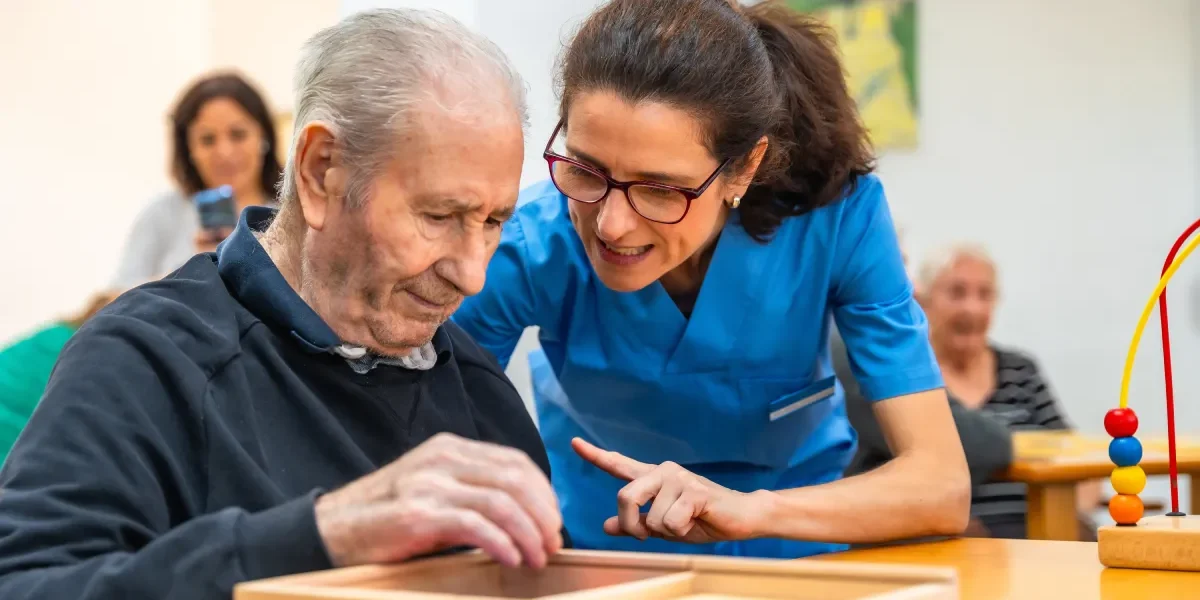
Families notice when their parents begin showing signs of memory loss. But it can be hard to know what to do, when even broaching the subject could involve changing a relationship with someone they care about. As they notice more signs that things are changing, family members may search for general senior care in their area without realizing that dementia support exists for situations like theirs.
The memory care team at Encore at Hugo designs daily life around the needs of seniors living with Alzheimer’s or dementia. The care they provide differs from general senior care. It offers specialized dementia support based on training, experience, and research-backed principles of engagement and daily connection.
How Dementia Support Differs From General Senior Care
General senior care provides help with everyday tasks. This assistance can include:
- Meal preparation
- Medication reminders
- Dressing, hygiene, bathing, and grooming assistance
- Mobility support
Assisted living provides support for seniors who can live a mostly active lifestyle in a private living space but who need regular assistance with these and other daily tasks. Memory care is another level of care designed for those who live with Alzheimer’s, dementia, or another form of memory loss. Memory loss can be a natural part of aging, but when it progresses and begins to interfere with daily life, memory care provides the help that families need.
Specialized memory care provides help with these daily tasks, as well as a routine when memory loss affects judgment. It provides a secure environment for those who have lost their orientation. It provides emotional stability for those who struggle with regulating their reactions and perceptions. Memory care team members have training and experience to handle situations that can worry families when their loved ones are on their own.
Specialized Programming Built Around Memory
Days in memory care follow a predictable rhythm that reduces anxiety and supports cognition. A full-time life enrichment team plans programming designed to improve long-term memory and activate multiple senses. This could include music and art, gentle movement and games, or simple reminiscence activities.
Cognitive therapies, such as music therapy and other sensory activities, can ease agitation and help residents connect with familiar moments from their everyday lives. Music can play an especially powerful role in memory care. One research study reported that musicians were 64% less likely to develop dementia or mild cognitive impairment.
These activities meet residents where they are each day, in a setting that makes them comfortable. This could be a small group of residents who enjoy baking, a larger group playing a simple game, or a one-on-one session with a team member in a quiet amenity space.
Dementia support means just that: support based on what each resident needs each day.
What Memory Care Provides for Families in Hugo, MN
Memory care provides families of people with dementia support services that go beyond other types of senior care. For Hugo families looking for support, these are the factors that matter most to their loved one’s care:
Caregivers Trained Specifically in Dementia Care
In a memory care community, team members receive ongoing training in dementia-specific care. They learn how to communicate without correcting or arguing, how to redirect gently during moments of confusion, and how to recognize the unmet needs that drive behavior. This training matters most on hard days, but it affects and improves care every day of the week.
A trained caregiver understands that sundowning, repetition, or resistance are part of the condition, not conscious defiance. They respond with patience, engagement, and above all, empathy.
A Secure, Familiar Environment
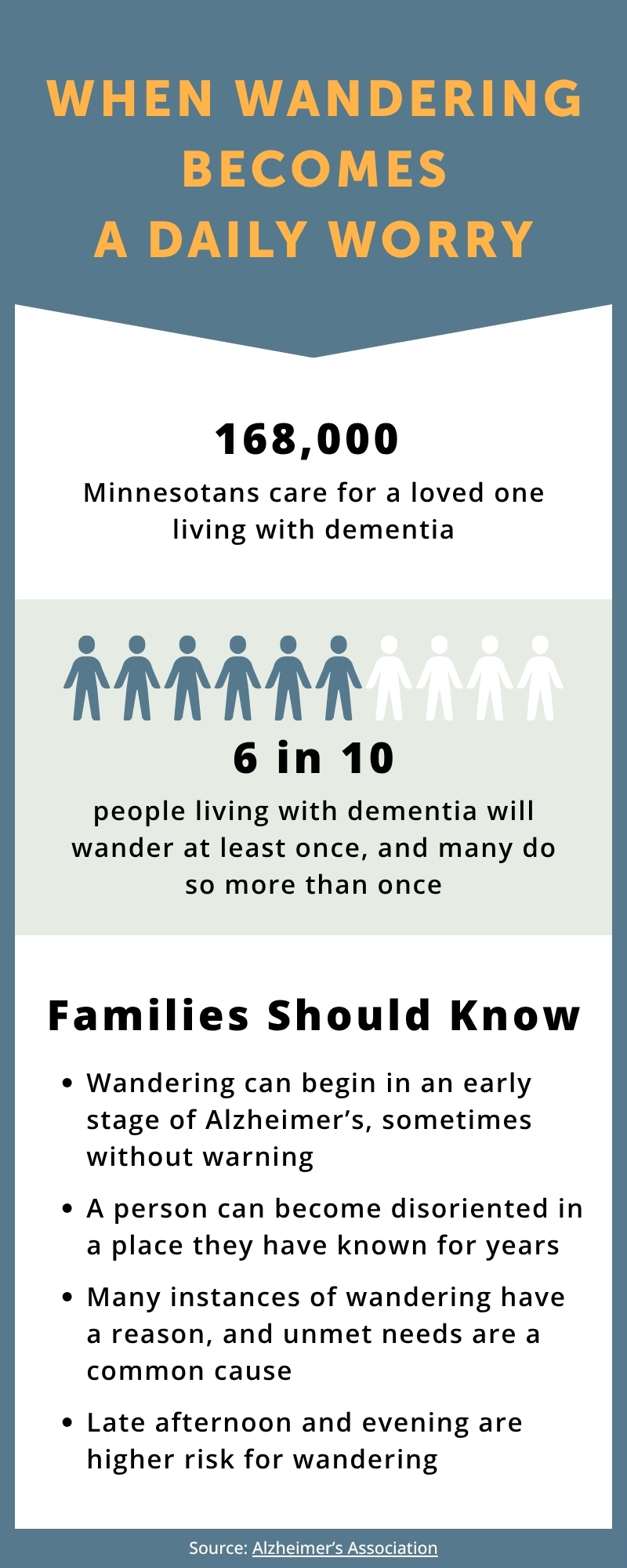
The fear of wandering weighs heavily on families whose loved one lives with memory loss. Memory care communities have secured entrances and exits, enclosed courtyards, consistent supervision, and clear visual cues. The space itself is designed to help residents move about freely without the risk of leaving. A small setting, such as the memory care neighborhood at Encore at Hugo, helps residents recognize their surroundings, reducing stress for both residents and families.
Personalized Care Plans and Family Involvement
No two people experience dementia the same way, so dementia support services should begin with a personalized plan shaped by each resident’s history, preferences, routines, and abilities. Regular care conferences keep loved ones informed, and team members rely on family members’ knowledge to provide residents with familiar joys. This could be a favorite song or pastime, a cherished routine, or a familiar turn of phrase. In dementia support compared to dementia care, families are partners in their loved one’s care.
When Memory Care Becomes the Right Step
Families often wait longer than they should to find dementia support services, due to worries about their loved one’s independence or the logistics of moving to memory care. However, daily risks can start slowly and build over time, until the risk of leaving a stove on or wandering outside the house at night becomes a constant worry.
Before an emergency forces a rushed decision, dementia support groups in Hugo can help families put their situation in context. In Minnesota alone, around 102,000 people aged 65 and older live with Alzheimer’s. This number also represents many thousands of worried families, who provide a large share of the 231 million hours of unpaid care to those living with memory loss in Minnesota.
In Hugo, dementia support groups provide a space to ask questions without judgment and learn more about your situation from other families. Though many families want to provide support on their own, established memory care settings can offer personalized care in a secure community. This can help their loved one keep as much independence as they can handle while giving families peace of mind.
And best of all, family visits can be about being a family again.
Frequently Asked Questions
General senior care assists with daily tasks while promoting independence, while dementia support services are built around memory loss, with specialized programming, dementia-trained caregivers, and a secure setting. Families weighing dementia support compared to dementia care often find that memory care offers a level of specialization that general assisted living cannot.
Encore at Hugo is a dedicated memory care community in Hugo, Minnesota, focused solely on supporting seniors living with Alzheimer’s and other forms of dementia. It offers all-inclusive pricing, private apartments, and a full-time life enrichment team.
Consider memory care when day-to-day risks such as wandering arise, when confusion or agitation becomes difficult to manage at home, or when caregiving begins to affect the family’s well-being.
Families can find dementia support groups through the Alzheimer’s Association Minnesota-North Dakota Chapter and its 24/7 Helpline at (800) 272-3900.
Take the Next Steps to Find Dementia Support Near You
Dementia is a difficult condition for many families to handle. It changes how confident they can be in their parents and how secure they feel about leaving their loved ones at home. It changes how people experience the world, how they react. Sometimes, the right support means a change in independence.
However, changes in independence can happen gradually, with a basis in research and individualized care planning. Experienced dementia support teams, like the memory care team at Encore at Hugo, use their training to provide secure spaces and enriching activities that keep residents engaged at their own level, while keeping families a part of their loved one’s care each step of the way.
This article should not replace medical advice. Talk with your doctor regarding any issues you may experience, especially if you suspect memory loss, dementia, or Alzheimer’s.
Learn More About Memory Care at Encore at Hugo
Speak with our team to learn how dementia support at Encore at Hugo can help your loved one live with comfort and dignity. Schedule a tour to see the memory care neighborhood for yourself and learn more about how individualized care routines can make all the difference in your loved one’s day.